
What Attorneys Should Ask Before Hiring a Toxicology Consultant

Hiring the right expert can significantly influence how confidently an attorney approaches a case involving drugs, alcohol, poisoning, or laboratory results. Yet not every toxicology consultant brings the same experience, communication skills, or courtroom readiness. Before making a decision, attorneys need to look beyond credentials and consider how well the expert understands the case, evaluates evidence, and explains complex science.
The right questions can reveal whether a consultant is truly prepared to support legal strategy and withstand scrutiny. Knowing what to ask early can help attorneys avoid costly mismatches and choose an expert who adds real value to the case.
Key Takeaways
Match expertise to the exact case issue.
Review qualifications beyond titles and degrees.
Confirm the expert’s independence before retention.
Ask how raw laboratory data will be assessed.
Define fees, deadlines, and deliverables in writing.
Choose an expert who communicates science clearly.
Key Questions Attorneys Should Ask a Toxicology Consultant
1. Does The Consultant Have Experience Relevant to The Case?
The first question should be whether the consultant has handled similar scientific issues.
Toxicology includes several specialized areas, such as:
Drug and alcohol testing
Postmortem toxicology
Workplace testing
Medication effects
Chemical exposure
Impaired-driving cases
Poisoning investigations
Occupational toxicology
An expert with experience in postmortem testing may not be the best choice for a workplace drug-testing dispute. Similarly, someone who regularly evaluates alcohol results may not have extensive experience with environmental chemical exposure.
Attorneys should explain the basic facts and ask whether the consultant has reviewed cases involving the same substance, specimen type, testing method, and legal issue.
The best candidate is not simply the person with the longest résumé. It is the professional whose background closely matches the evidence in the case.
2. What Qualifications Support the Consultant’s Opinions?
Attorneys should review more than job titles and degrees. Relevant qualifications may include scientific education, laboratory experience, specialized training, certifications, publications, teaching, and prior casework.
Important questions include:
What toxicology training have you completed?
Have you worked in a testing laboratory?
Are you familiar with the analytical method used in this case?
Do you regularly review this type of specimen?
Do you participate in continuing education?
Have you published or taught in this area?
A toxicology consultant should be able to explain how their background supports the specific opinions they may provide.
This is especially important when the expert may later serve as a toxicology expert witness. Their qualifications must relate directly to the scientific issues they will address.
3. What Evidence Will the Consultant Need to Review?
A short laboratory report may not provide enough information for a reliable opinion.
Attorneys should ask what records are needed before the consultant begins work.
Relevant materials may include:
Toxicology reports
Chain-of-custody forms
Collection records
Instrument data
Calibration records
Quality-control results
Laboratory procedures
Medical records
Prescription history
Incident reports
Witness statements
Reports from other experts
This discussion helps the attorney identify missing evidence early. It may also guide discovery requests and prevent delays later in the case.
A strong consultant should not offer firm conclusions before reviewing enough information to understand how the sample was collected, tested, and interpreted.
4. How Will the Laboratory Evidence Be Evaluated?
Attorneys should ask the consultant to explain the review process in plain language.
A careful review may consider:
Whether the correct specimen was tested
Whether collection procedures were followed
Whether the chain of custody is complete
Whether a screening result was properly confirmed
Whether the laboratory followed its own procedures
Whether quality controls performed correctly
Whether the raw data support the final report
Whether the reported conclusion goes beyond the evidence
The consultant should also explain which scientific standards apply and whether the laboratory met them.
Reliable toxicology services should involve more than reading the final result. The review should examine the full testing process and determine whether the conclusions are scientifically justified.
5. Can The Consultant Separate Drug Presence from Impairment?
This is one of the most important questions in drug and alcohol cases.
A positive result may establish that a substance or metabolite was present. It may not establish:
The exact time of use
The amount consumed
Current impairment
Unsafe behavior
Awareness of exposure
Causation
Interpretation may depend on the specimen, concentration, collection time, metabolism, tolerance, medication history, and interaction with other substances.
A dependable toxicology consultant should clearly explain what the evidence supports and what remains uncertain.
Attorneys should be cautious if an expert immediately treats a positive result as proof of impairment or causation without considering the surrounding facts.
6. Is The Consultant Independent and Objective?
An expert should provide a scientifically supported opinion, not simply agree with the party who hired them.
Ask how the consultant handles evidence that does not support the client’s position. A credible professional should be willing to identify weaknesses, discuss alternative explanations, and revise an opinion when new evidence becomes available.
Signs of objectivity include:
Reviewing favorable and unfavorable evidence
Acknowledging limitations
Avoiding unsupported certainty
Separating facts from assumptions
Considering alternative explanations
Applying the same scientific standards in every case
An expert who promises a favorable opinion before reviewing the records may create credibility problems for the legal team.
7. Can The Consultant Explain Complex Findings Clearly?
Scientific expertise is only useful when the consultant can communicate it effectively.
Attorneys should ask the expert to explain one central issue in simple terms. For example, the consultant might explain why urine testing does not always show present impairment or why a screening result may require confirmation.
A strong expert should be able to communicate with attorneys, judges, jurors, laboratory staff, and medical professionals without using unnecessary technical language.
This skill is particularly important if the consultant will work as a toxicology expert witness and provide deposition or trial testimony.
8. What Testimony and Report-Writing Experience Does The Consultant Have?
Attorneys should ask whether the expert has prepared reports, given depositions, or testified at trial.
Relevant questions include:
Have your opinions ever been excluded or limited?
How do you prepare for cross-examination?
Can you explain scientific limitations under pressure?
What information is included in your reports?
How do you handle corrections or new evidence?
Have you testified for both plaintiffs and defendants?
Previous challenges do not automatically disqualify an expert. What matters is whether the consultant is transparent about them and can explain the circumstances.
The expert should also understand the importance of staying within their actual area of expertise.
9. Can The Consultant Address Related Workplace Evidence?
Some toxicology cases involve industrial accidents, employee injuries, chemical exposure, or workplace drug testing. In these matters, toxicology may be only one part of the investigation.
Attorneys may also need to review:
Equipment condition
Safety procedures
Exposure pathways
Employee instructions
Protective equipment
Training records
Environmental conditions
Competing causes of injury
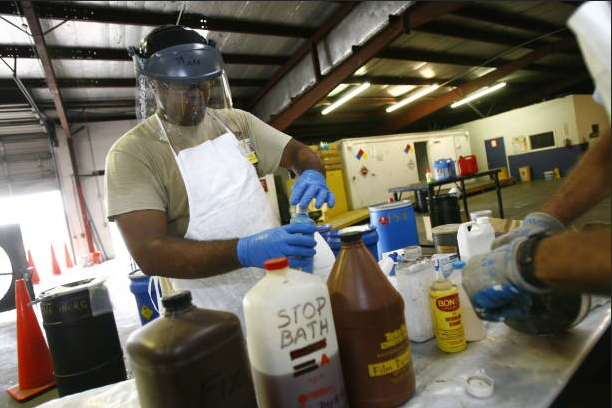
Records of laboratory safety training may indicate whether employees received proper instruction in chemical handling, spill response, protective measures, and testing procedures.
A workplace hazard assessment may reveal physical or operational risks that existed independently of a toxicology result.
The consultant should clearly state whether these issues fall within their expertise or require an industrial hygienist, physician, engineer, or workplace safety professional.
10. What Are the Fees, Deadlines, and Scope of Work?
Before retention, attorneys should clarify exactly what the consultant will do.
The engagement should address:
Hourly rates
Retainer requirements
Record-review charges
Report fees
Deposition and trial rates
Travel costs
Cancellation policies
Deadlines
Expected deliverables
Communication procedures
Counsel should also confirm the expert’s availability for discovery, depositions, hearings, and trial.
The scope may include confidential consultation, laboratory review, report preparation, opposing-expert analysis, deposition support, or testimony. Defining these responsibilities early helps prevent confusion and unexpected costs.
Conclusion
Choosing the right toxicology consultant involves more than reviewing credentials or courtroom experience. Attorneys should look for an expert whose scientific background matches the issues in the case, who carefully evaluates laboratory evidence, and who communicates complex findings in a clear, objective manner.
Asking the right questions before retention helps establish realistic expectations, identify potential challenges early, and ensure the consultant's opinions are supported by sound science. With a thorough review of the evidence and a well-defined scope of work, attorneys can build stronger legal strategies and present toxicology evidence with greater confidence throughout the litigation process.
Turn to Toxicology Consultancy LLC for clear, objective, and scientifically supported guidance when selecting expert assistance for a complex toxicology matter.
FAQs
Should attorneys conduct a conflict check before sharing records?
Yes. A conflict check should be completed before confidential case materials are provided.
Can an expert assist with discovery requests?
Yes. An expert can identify missing laboratory records and suggest documents needed for a complete scientific review.
Should counsel request references from a consultant?
References may help confirm professionalism, reliability, communication, and experience with similar legal matters.
Can a consultant review another expert’s report?
Yes. They can assess the scientific basis, assumptions, methods, and limitations of an opposing opinion.
Is a written engagement letter necessary?
Yes. It should define the scope, fees, confidentiality, deadlines, and expected work product.


Comments